How Modern Design Improves Patient Comfort and Staff Efficiency
Healthcare environments have undergone a significant transformation in recent years, moving beyond purely functional layouts toward spaces that actively support healing, efficiency, and long-term performance. Through thoughtful medical construction, modern healthcare facilities are now designed to enhance patient comfort while simultaneously improving staff productivity and workflow. These environments reflect a deeper understanding of how physical surroundings influence recovery, morale, and operational success. From lighting and acoustics to spatial planning and advanced technology, every design decision plays a role in shaping patient outcomes and staff effectiveness. As expectations for healthcare delivery continue to rise, medical construction has become a critical component in creating facilities that are both compassionate and highly efficient.
Enhance Comfort and Reduce Strain Through Ergonomic Design
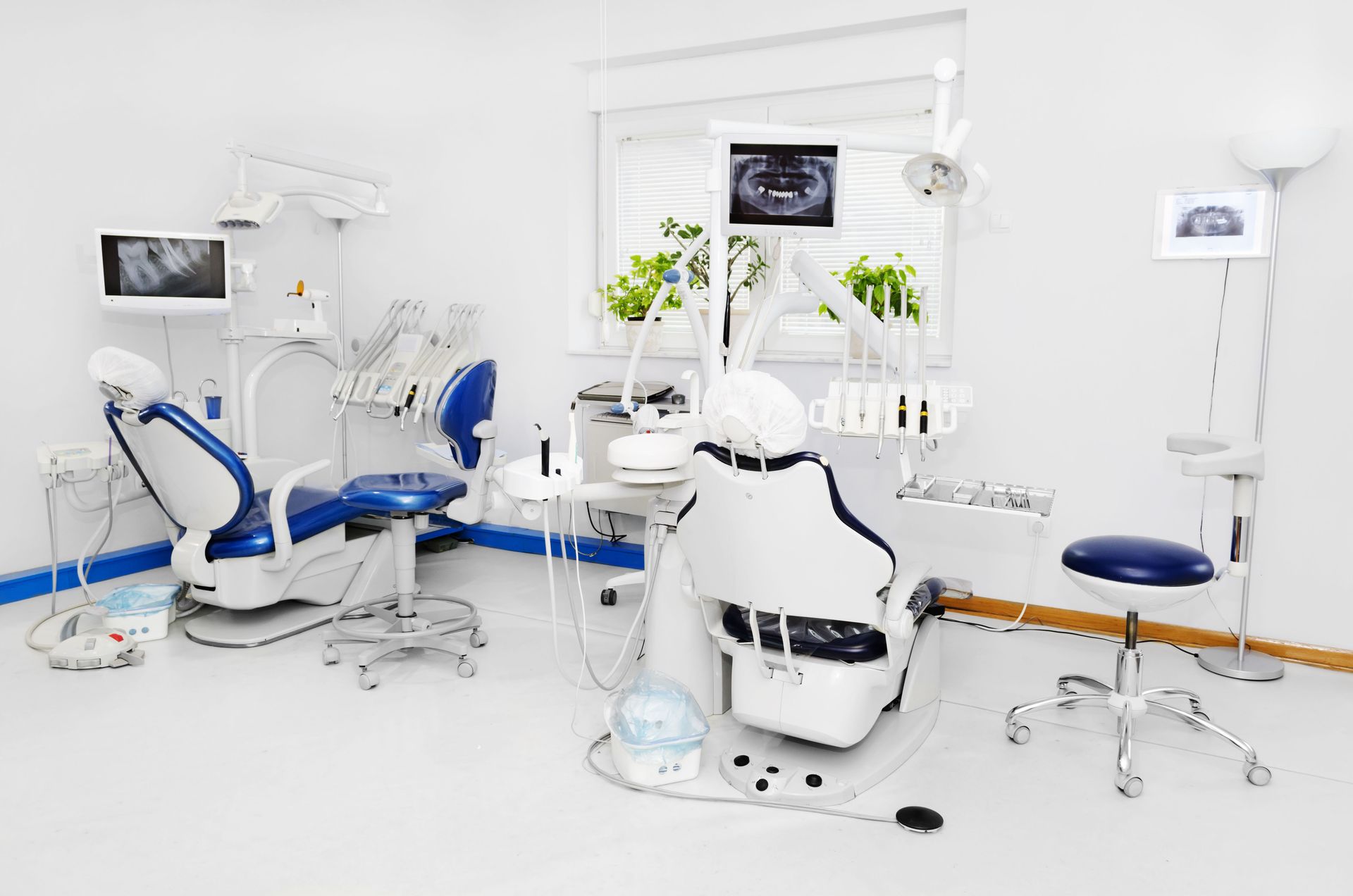
Ergonomics plays a central role in modern medical construction by addressing the physical needs of patients and healthcare professionals alike. Furniture and built-in features designed around natural body mechanics help reduce discomfort during long treatments or extended stays. Adjustable beds, exam tables, and seating options allow patients to remain comfortable while receiving care, which can significantly reduce anxiety and physical stress. This sense of comfort is particularly important in healthcare settings, where emotional well-being is closely tied to physical recovery.
Healthcare professionals also benefit greatly from ergonomic design. Medical construction that incorporates properly positioned workstations, accessible storage, and supportive flooring helps minimize fatigue and repetitive strain injuries. When staff members are physically supported by their environment, they can focus more effectively on patient care rather than coping with discomfort. Over time, these design considerations contribute to improved job satisfaction, reduced burnout, and greater consistency in care delivery. Ergonomic design is not a luxury in healthcare environments; it is a practical investment in both patient outcomes and staff longevity.
Illuminate Healing and Performance With Thoughtful Lighting
Lighting is one of the most influential elements of medical construction, shaping how spaces feel and function throughout the day. Natural light has been shown to reduce stress, elevate mood, and support faster recovery for patients. Exposure to daylight can also help regulate patients’ sleep-wake cycles, contributing to better overall health outcomes. For staff, well-lit environments improve alertness and reduce eye strain, allowing them to perform tasks more accurately and efficiently. Facilities designed with ample windows, skylights, and open layouts feel less clinical and more welcoming, helping patients feel at ease during what can often be stressful experiences.
Artificial lighting is equally important in supporting both patient comfort and staff efficiency. Modern lighting systems provide consistent illumination while reducing glare and eye strain, which is especially important in clinical and administrative areas. Lighting designed to align with natural circadian rhythms helps regulate sleep cycles for patients and reduces fatigue for staff working long shifts. Medical construction that incorporates adaptive lighting technology allows environments to change throughout the day, creating spaces that feel calm at night and focused during peak activity hours. These lighting strategies directly contribute to improved well-being, accuracy, and productivity across healthcare facilities.
Optimize Workflow and Patient Flow Through Spatial Planning
Efficient layout design is a defining feature of successful medical construction. Thoughtful spatial planning helps reduce congestion, shorten wait times, and improve navigation for patients and visitors. Clear pathways between reception areas, exam rooms, and treatment spaces allow patients to move through facilities with less confusion and stress. This streamlined flow not only enhances the patient experience but also improves operational efficiency by reducing bottlenecks.
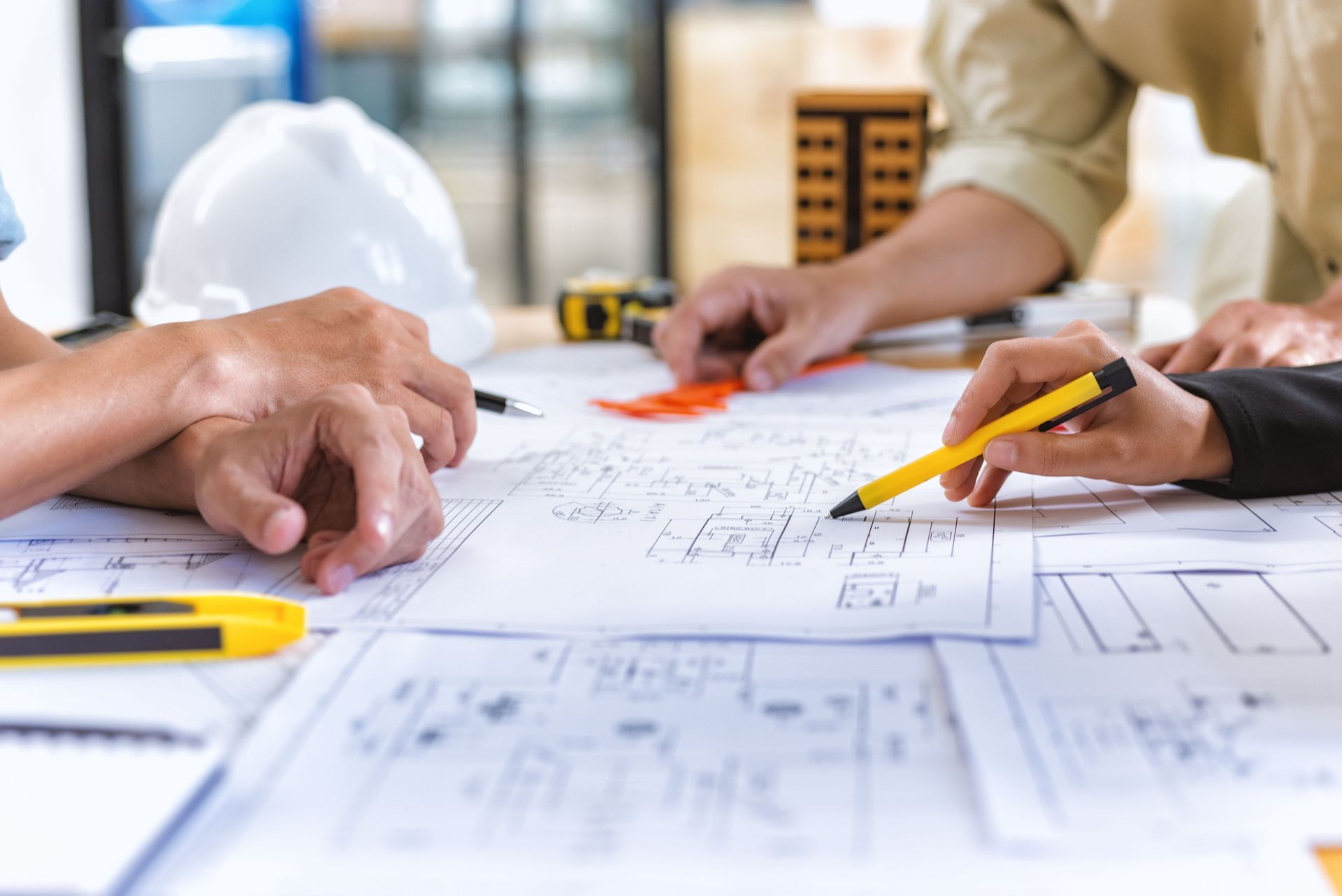
For healthcare staff, intelligent layout design supports collaboration and efficiency. Dedicated work areas allow clinicians to focus on documentation and planning, while shared spaces encourage communication and teamwork when needed. Centralized access to supplies and equipment minimizes unnecessary movement, saving time and energy throughout the day. Flexible spaces that can be adapted to changing needs further increase a facility’s resilience. Medical construction that prioritizes workflow efficiency ensures that healthcare teams can respond quickly, work collaboratively, and deliver consistent care even as demands evolve.
Manage Sound to Promote Calm and Privacy
Sound control is an essential but often underestimated aspect of medical construction. Excessive noise can disrupt patient rest, increase stress levels, and interfere with recovery. Modern healthcare facilities address this challenge by incorporating materials and layouts that absorb sound and reduce unwanted noise. Quieter environments help patients relax, sleep more effectively, and feel more comfortable during their stay.
Acoustic design also plays a vital role in protecting patient privacy. Conversations between clinicians and patients must remain confidential, particularly in shared or open spaces. Sound-absorbing walls, ceilings, and flooring help prevent information from traveling beyond intended areas. For staff, reduced noise levels improve concentration and communication accuracy, lowering the likelihood of errors. By prioritizing acoustic comfort, medical construction supports both emotional well-being and professional standards within healthcare environments.
Implement Sustainable Design for Long-Term Efficiency
Sustainability has become a major focus in modern medical construction, driven by environmental responsibility and long-term cost efficiency. Healthcare facilities consume significant energy and resources, making sustainable design strategies especially impactful. Implementing green building practices not only lowers operational costs but also demonstrates a commitment to community and environmental stewardship. Hospitals and clinics designed with sustainability in mind can inspire confidence among patients and staff, showing that their well-being and the planet’s health are both valued. Eco-conscious materials, improved insulation, and advanced mechanical systems help reduce environmental impact while creating healthier indoor spaces for patients and staff.
Energy and water efficiency are key components of sustainable healthcare design. Efficient HVAC systems, lighting solutions, and water-saving fixtures reduce operational costs without compromising comfort or performance. Improved air quality systems also contribute to healthier environments, particularly for patients with respiratory conditions or weakened immune systems. As healthcare construction activity continues to expand, with industry growth projected at 3.8%, according to Construction Analytics, sustainable medical construction practices play a crucial role in balancing growth with responsibility. These strategies ensure facilities remain efficient, resilient, and environmentally sound over the long term.
Integrate Technology to Elevate Modern Care Delivery
Technology has become deeply integrated into modern medical construction, reshaping how care is delivered and managed. Smart patient rooms equipped with monitoring systems allow clinicians to track vital signs more efficiently while reducing the need for constant manual checks. These systems also help minimize human error by providing real-time alerts and centralized data access across departments. By improving accuracy and communication, technology-driven environments support safer, more coordinated care delivery. This technology improves response times and allows staff to dedicate more attention to complex patient needs.
Personalization through technology further enhances the patient experience. Patients can control lighting, temperature, and entertainment options, creating a sense of autonomy that improves comfort and satisfaction. On an operational level, data-driven design helps facilities optimize space usage, anticipate demand, and improve workflow efficiency. As telemedicine, automation, and digital systems become increasingly common, medical construction must support reliable connectivity, privacy, and adaptability. Technology-ready environments ensure healthcare facilities remain competitive and capable of meeting evolving care expectations.
Modern healthcare facilities are shaped by design choices that go far beyond aesthetics. Through strategic medical construction, providers are creating environments that enhance patient comfort, support staff well-being, and improve operational efficiency. Ergonomic features, advanced lighting, efficient layouts, sound management, sustainability, and technology integration all work together to create spaces that truly support healing and productivity. As healthcare demands continue to evolve, investing in high-quality medical construction remains essential for long-term success. To create a healthcare facility designed for comfort, efficiency, and the future, partner with Ruiz Construction Incorporated today.

Share On: