The Growing Role of Healthcare Construction in Expanding Hospital Capacity
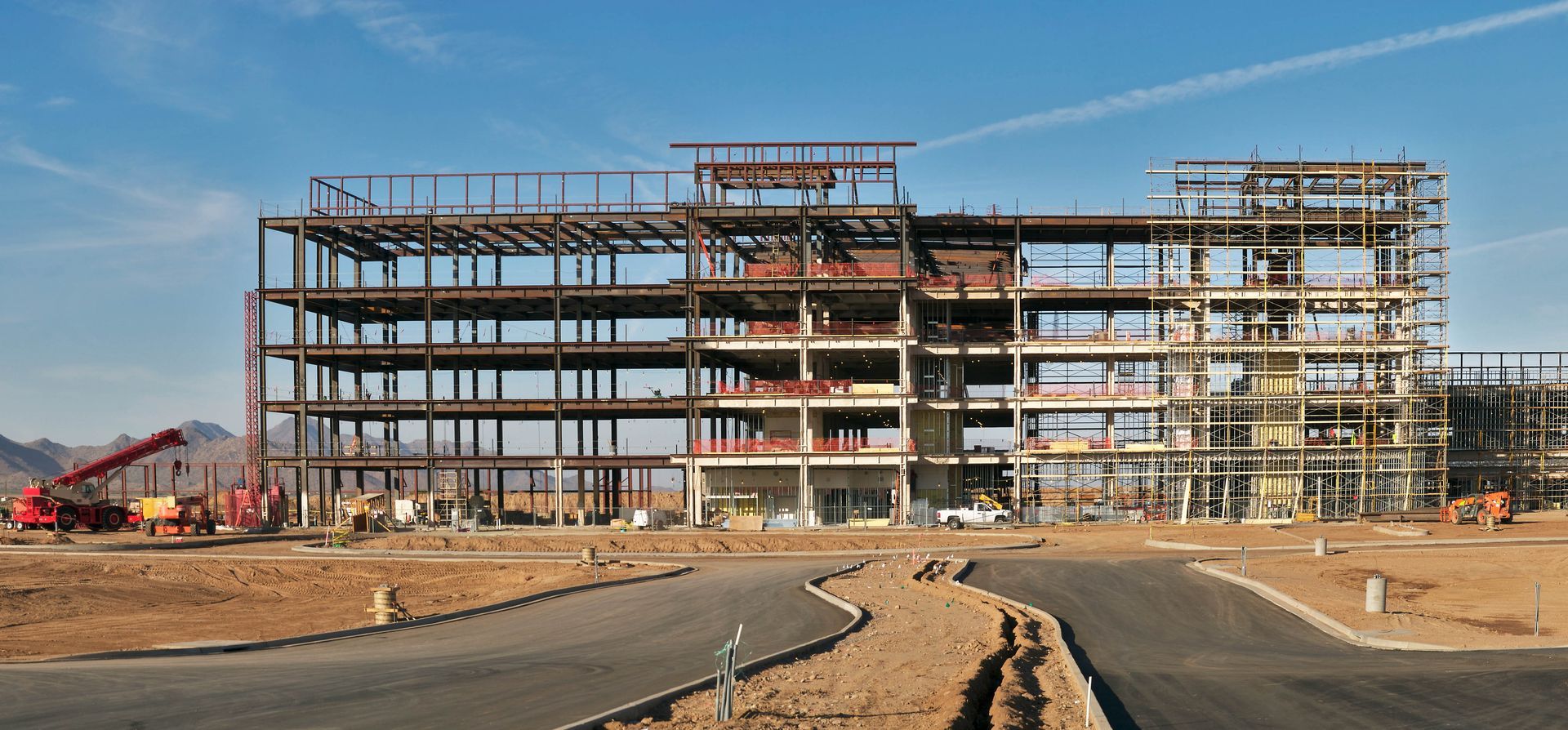
The landscape of medical care delivery undergoes constant transformation to meet the expanding needs of diverse communities. As populations increase and medical needs become increasingly complex, existing clinical infrastructures face severe strain. This reality necessitates a robust response from civic planners and medical providers alike. Expanding clinical capacity requires far more than simply adding extra beds to existing wards. It demands entirely reimagined facilities capable of accommodating cutting-edge treatments, specialized equipment, and greater patient volumes. Through thoughtful architectural execution, facility expansion directly addresses these critical community needs. In this rapidly evolving landscape, healthcare construction plays a pivotal role in ensuring that medical providers can deliver high-quality treatments within safe, modern, and highly efficient environments. A renewed focus on purposeful design allows clinical centers to overcome spatial limitations and provide uninterrupted care to all patients who walk through their doors.
Adapting to Demographic Shifts
Communities globally experience continuous demographic shifts that fundamentally alter the requirements for localized medical care. An aging populace requires specific physical accommodations and a higher frequency of medical interventions, placing unprecedented demand on local clinics and larger medical campuses. When demographic profiles shift, the physical spaces where care happens must evolve in tandem to prevent severe overcrowding and resource depletion. Without strategic spatial planning, medical professionals struggle to maintain optimal care standards in cramped environments. Facilities must grow outward and upward to provide sufficient space for dedicated geriatric wings, specialized therapeutic centers, and highly accessible public areas.
This pressing need for expansive care environments underscores the absolute necessity of strategic healthcare construction. Developers and architectural teams collaborate with medical administrators to forecast future community needs and draft blueprints accommodating anticipated demographic surges. By focusing on scalability, newly built wings and clinical centers can absorb sudden influxes of patients without compromising care quality. Expanding capacity through dedicated building projects ensures growing communities never have to travel unreasonable distances to access essential medical services. The built environment becomes a dynamic tool for community wellness, serving the people residing within its radius.
Designing for Advanced Care
Modern medicine relies heavily on highly sophisticated diagnostic machinery and robotic surgical tools requiring specialized spatial configurations. Outdated medical buildings often lack the structural integrity, electrical capacity, or spatial dimensions to house these massive pieces of equipment. Executing modern healthcare construction means creating bespoke rooms featuring reinforced flooring, enhanced power grids, and specialized ventilation systems. These infrastructural upgrades are crucial for integrating advanced medical technology safely into daily clinical practice. Without appropriately designed physical spaces, medical teams cannot utilize the diagnostic tools necessary for early disease detection and complex surgical procedures.
Building new wings to house technological advancements represents a massive financial and logistical undertaking for medical networks. According to the Healthcare Financial Management Association, hospital construction continues to far outpace outpatient facilities and is projected to reach $38.8 billion by 2030, driven by population growth, outpatient care expansion and rising capital investment from financially strong health systems. This tremendous investment highlights how seriously administrators view physical infrastructure as a foundational element of modern care delivery. The financial commitment to expanding physical footprints directly correlates with the ability to offer life-saving treatments requiring specialized spatial environments.
Enhancing the Healing Environment
Clinical effectiveness relies on more than medical expertise; the psychological impact of the physical environment heavily influences patient recovery times. Historically, clinical buildings prioritized utilitarian functions over patient comfort, resulting in sterile spaces that heightened anxiety. Modern facility expansion completely reimagines this paradigm by prioritizing natural light, soothing color palettes, and access to therapeutic green spaces. Expansive windows reduce reliance on artificial lighting while connecting patients with the outside world, improving daily moods. Sound-absorbing materials integrated into the architecture reduce ambient noise, allowing patients to rest deeply and heal efficiently.
To achieve deeply therapeutic atmospheres, administrators depend on innovative approaches to healthcare construction. Expanding a medical campus provides a unique opportunity to discard restrictive floor plans in favor of open, welcoming layouts that immediately put visitors at ease. Spacious private rooms replace cramped shared wards, offering families comfortable spaces to support recovering loved ones. Carefully curated landscaping around new extensions offers tranquil outdoor retreats for patients and overworked staff members. Ultimately, thoughtfully expanded facilities blur the line between clinical necessity and profound human comfort, transforming imposing medical centers into genuine sanctuaries for healing.
Implementing Sustainable Solutions
As environmental awareness grows globally, building projects across all sectors must adopt eco-friendly practices to minimize their ecological footprints. Medical centers are notoriously resource-intensive, requiring immense amounts of electricity and water to operate continuously around the clock. Expanding these massive campuses could theoretically exacerbate environmental strain, but modern architectural practices actively work to mitigate these adverse impacts. Newly developed clinical wings prioritize high-efficiency HVAC systems, solar energy integration, and advanced water reclamation technologies. Integrating these sustainable principles into healthcare construction significantly reduces long-term operating costs while demonstrating a profound institutional commitment to broader environmental stewardship and community health.
Sustainable practices represent a massive evolution in modern healthcare construction. Planners utilize locally sourced, non-toxic building materials that improve indoor air quality and reduce emissions associated with long-distance transportation. By integrating smart building management systems, newly expanded hospitals can automatically adjust lighting and climate controls based on room occupancy, drastically reducing wasted energy. Green roofs and permeable pavements manage stormwater runoff effectively, protecting local watersheds from potential contamination. Through these environmentally conscious building strategies, expanding medical facilities manage to increase their care capacity while simultaneously protecting the natural ecosystems sustaining their surrounding communities.
Building Resilient Infrastructures
Medical centers must remain fully operational during severe weather events, natural disasters, and unexpected public health emergencies. Outdated facilities often lack the structural resilience to withstand extreme conditions, potentially putting vulnerable patients at severe risk during critical moments. Expanding hospital capacity provides the perfect opportunity to implement robust disaster-preparedness features into the foundation of the building. Elevated emergency generators ensure continuous power during massive grid failures, while reinforced exterior envelopes protect against severe meteorological phenomena. By hardening the physical structure, administrators guarantee their facilities remain safe havens when the community faces catastrophic challenges.
Creating highly durable environments requires unparalleled expertise in specialized healthcare construction. Architects and engineers design flexible, multi-use spaces within new expansions that can rapidly convert into intensive care units during sudden surges in patient volume. Enhanced air filtration systems built into new wings can instantly create negative pressure zones to isolate contagious airborne diseases, protecting staff and non-infected patients. This forward-thinking approach to structural design ensures newly expanded clinical campuses possess the agility to respond to unforeseen crises without halting standard medical procedures. Resilient physical structures ultimately serve as the backbone of a dependable regional emergency response network.
Expanding medical capacity through strategic building initiatives represents a fundamental investment in the long-term health and vitality of our communities. By prioritizing adaptable spatial designs, sustainable ecological practices, and profound structural resilience, modern clinical expansions ensure that medical professionals possess the perfect environments to deliver exceptional patient care. As demographic needs shift and medical technologies advance rapidly, physical infrastructures must evolve proactively to meet these continuous challenges head-on. Thoughtful architectural planning transforms daunting institutional buildings into highly efficient, welcoming sanctuaries dedicated entirely to public wellness and community support. By investing in these foundational upgrades, health systems guarantee a higher standard of living for generations to come. If you are ready to explore how expert planning can elevate your next facility expansion project, please reach out to our friendly team at Ruiz Construction Incorporated.


Share On: