Veterinary Construction Helps Clinics Expand Despite Shifting Visit Trends
In recent years, the landscape of veterinary medicine has undergone a significant transformation. Driven by rapid technological advances, shifting consumer habits, and evolving client expectations, traditional veterinary practices must adapt to remain competitive. Strategic physical expansion enables veterinary clinics to address these emerging industry trends effectively, positioning their businesses for sustained operational growth. As modern pet owners demand comprehensive care in sophisticated environments, clinics must offer contemporary facilities tailored to these higher standards. Consequently, investing in targeted facility development through specialized veterinary construction has become a vital consideration for forward-thinking veterinary entrepreneurs nationwide.
Understanding the Shifting Trends in Veterinary Visits
Understanding current visit dynamics requires examining how client behaviors have evolved. Telemedicine has emerged as a crucial development, allowing pet owners to seek professional advice without always visiting a physical location. This shift gained massive momentum during the COVID-19 pandemic, prompting clinics to integrate virtual consultations to offer greater convenience. Modern remote technology enables veterinarians to diagnose non-emergency conditions and suggest treatment plans digitally, enhancing client retention while expanding market reach. However, this virtual shift has forced veterinary practices to reassess their physical footprint, balancing digital access with hands-on care.
Simultaneously, pet owners increasingly seek specialized medical options, including dermatology, cardiology, and oncology. This rising demand for specialty services requires veterinary practices to reevaluate their spatial allocation. Incorporating specialized treatment zones allows practitioners to provide advanced therapies that attract a broader client base. Specialized services also generate higher revenue streams, as clients demonstrate a willingness to pay premium rates for expert clinical care. Practices embracing this trend drive ongoing innovation, setting themselves apart from traditional generalist facilities.
Client expectations regarding overall service delivery have transformed as well. Modern pet owners demand high-standard medical care provided within clean, professional, and welcoming environments. This shift necessitates that veterinary practices maintain contemporary facilities complete with state-of-the-art diagnostic equipment and comfortable waiting areas. Prioritizing the overall customer experience—from reduced wait times to diligent follow-up communications—directly impacts long-term client retention. Facilities that invest in upgraded physical infrastructure to meet these elevated expectations are far more likely to prosper in an increasingly crowded market.
The pandemic fundamentally altered the operational mechanics of pet healthcare. The initial sharp decline in face-to-face appointments accelerated digital adoption, but as public health measures relaxed, practices faced the new challenge of blending virtual solutions with traditional in-person visits. This permanent hybrid model requires thoughtful space planning to support both digital consultations and traditional clinical operations seamlessly. Physical veterinary construction allows clinics to reconfigure interior layouts, ensuring their infrastructure efficiently supports post-pandemic workflows.
Technology continues to reshape veterinary medicine, providing critical tools that improve diagnostic accuracy and clinical efficiency. From digital radiograph systems and electronic health records to advanced surgical suites, modern equipment is essential to delivering top-tier medicine. Veterinary practices must construct environments capable of housing these complex systems safely and efficiently. Doing so involves acquiring cutting-edge hardware while simultaneously engineering spaces that optimize technical workflows, ultimately benefiting practitioners, patients, and pet owners alike.
Strategic Design Considerations for Modern Clinics
Executing a successful expansion requires specific structural design considerations. As virtual care becomes permanent, practices are building dedicated telemedicine rooms equipped with soundproofing, high-speed data cabling, and professional lighting. These tailored spaces allow veterinarians to conduct virtual appointments efficiently without disrupting hands-on clinical operations. Dedicated virtual suites showcase a practice's commitment to modern, adaptable healthcare while offering crucial operational flexibility for busy staff members.
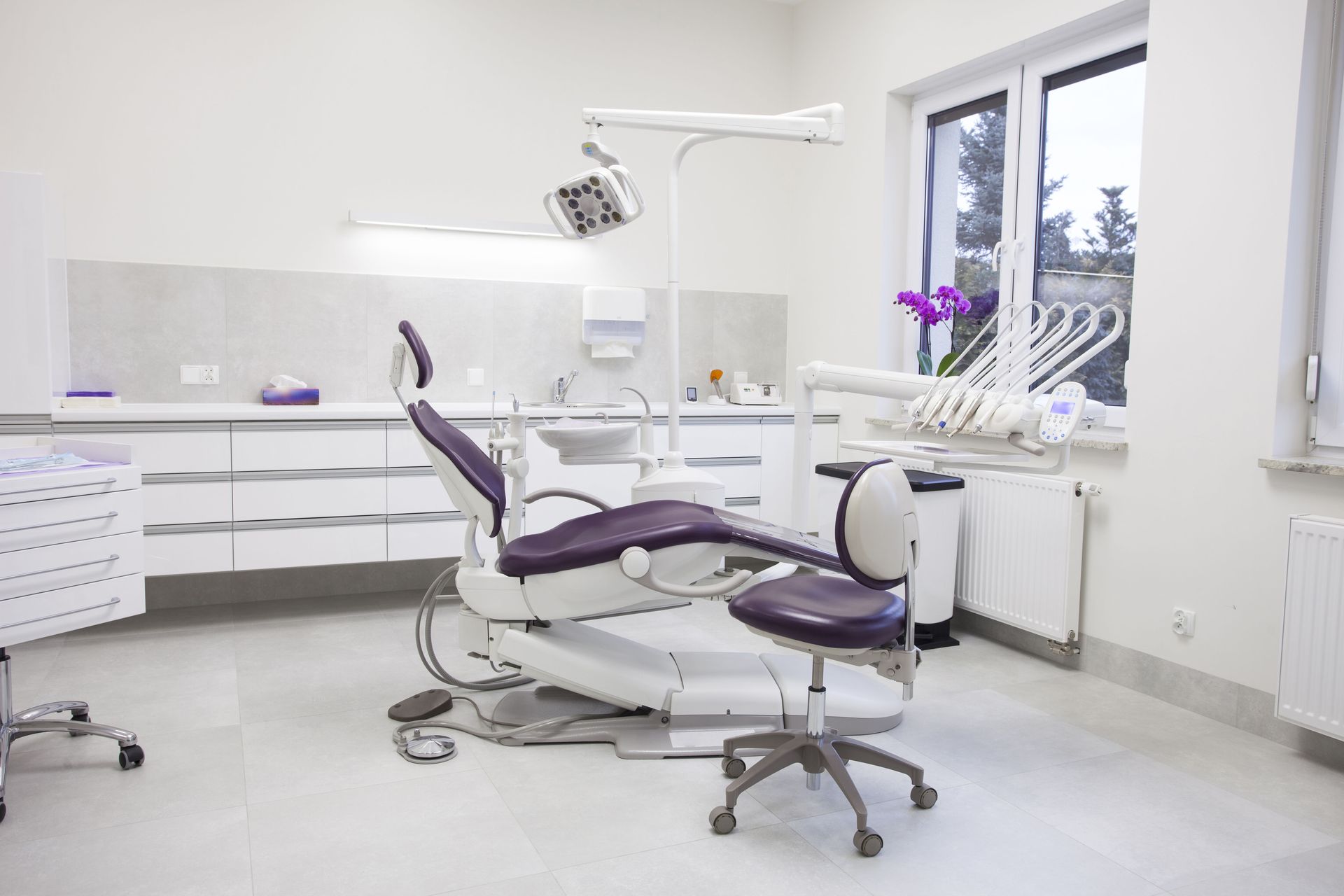
Integrating dedicated diagnostic and surgical areas is equally vital. Creating specialized zones for digital imaging, sterile surgery, and intensive care enables highly targeted treatments. These technical areas must be constructed to accommodate heavy medical machinery while maintaining strict sanitary standards and regulatory compliance. Providing sophisticated clinical spaces builds immense trust with clients seeking advanced interventions, solidifying the facility's market standing.
Designing stress-free, pet-friendly waiting environments further elevates the client experience. Thoughtfully planned waiting areas often feature physical species separation, calming color palettes, and sound-dampening acoustic panels. By addressing the spatial and sensory needs of anxious animals, clinics dramatically reduce stress levels for both pets and owners. Well-designed reception spaces reinforce a commitment to compassionate care, driving client loyalty and generating valuable word-of-mouth referrals.
Efficient spatial design is equally essential for internal operational workflow. By eliminating architectural bottlenecks and creating intuitive transit pathways for staff and clients, clinics boost daily productivity and patient throughput. Logical spatial layouts facilitate smooth transitions between exam rooms, diagnostic suites, and checkout counters. This physical efficiency expands daily appointment capacity while elevating the overall quality of care.
Adhering to strict health and safety standards remains a non-negotiable aspect of medical facility design. Industry regulations require non-porous surfaces, medical-grade waste disposal setups, and advanced HVAC systems that continuously circulate fresh air to mitigate cross-contamination risks. Expert veterinary construction ensures full compliance with local building codes and medical standards, safeguarding public health and protecting the business from liability.
Optimizing Space for a Multidisciplinary Approach
Creating separate operational zones supports a robust multidisciplinary approach. By allocating designated square footage for orthopedics, dentistry, emergency triage, and routine wellness, a facility provides comprehensive, multi-specialty care under one roof. This collaborative physical layout allows veterinary specialists to confer easily, improving patient outcomes through integrated treatment plans.
Designing versatile, flexible spaces helps practices adapt to future healthcare developments. Universal exam rooms and modular treatment bays can be reconfigured as service demands shift over time. Building adaptable spaces represents a forward-thinking investment, ensuring the facility remains fully functional and commercially viable regardless of future market shifts.
Sustainable building practices also deliver significant financial advantages. Implementing energy-efficient solutions such as LED fixtures, high-efficiency HVAC units, and solar arrays drastically cuts monthly utility overhead. According to the Healthcare Financial Management Association, spending on hospital and clinic construction starts in 2026 was expected to jump 11.6% from 2025 to 2026 and reach $30.7 billion, demonstrating a major national investment trend toward modernizing medical infrastructure. Integrating veterinary construction with sustainable technologies yields immediate environmental benefits while driving long-term profitability.
Optimizing back-of-house storage and utility space keeps daily operations running smoothly. Organized inventory areas, modular supply shelving, and strategic pharmacy placements streamline administrative tasks and prevent treatment delays. Maximizing storage efficiency within a practice's existing footprint controls square-footage costs while maximizing productive clinical space.
Utilizing outdoor acreage creates unique opportunities for service expansion. Dedicated outdoor spaces can be converted into exercise runs, behavioral testing yards, or pet wellness event spaces. These exterior additions relieve indoor congestion during peak hours while enhancing overall client engagement through holistic care options.
Economic Benefits of Expansion Through Construction
When evaluating expansion, practice owners must conduct a thorough cost-benefit analysis comparing ground-up veterinary construction to interior remodeling. While new construction involves higher upfront capital, it allows complete customization without structural constraints. Remodeling may cost less initially but often presents spatial compromises. Modern facilities ultimately boost long-term revenue by attracting high-value clients, increasing capacity, and boosting staff productivity. Furthermore, state-of-the-art facilities enhance employee satisfaction, reducing staff turnover and fostering a positive workplace culture. Secure financing—whether through specialized commercial lenders, SBA loans, or private equity—is the final piece required to turn these capital expansion plans into reality.
Navigating physical expansion requires specialized expertise, technical precision, and proven commercial experience. Specialized veterinary construction ensures your facility meets both operational needs and modern veterinary trends seamlessly. When you are ready to modernize your practice, expand your clinical square footage, or build a state-of-the-art facility from the ground up, trust the experienced team at Ruiz Construction Incorporated to bring your architectural vision to life efficiently and affordably. Contact us today to schedule your comprehensive facility consultation!


Share On: