Veterinary Construction Trends Shaping Modern Animal Care Facilities
The landscape of veterinary care is evolving, and with it, the facilities that support these services must adapt. Veterinary construction is no longer just about creating spaces for animal treatment; it encompasses specialized design, patient-centered workflows, and sustainable, technology-driven environments. As the demand for veterinary services grows, construction trends are redefining how animal care facilities are built and renovated.
According to the U.S. Bureau of Labor Statistics, an average of 3,000 openings for veterinarians are projected annually. This steady demand highlights the need for modern, well-equipped facilities capable of supporting an expanding workforce and providing high-quality care. Construction companies specializing in medical office builds and healthcare facility design are responding by adopting strategies that optimize both functionality and patient experience.
Prioritizing Workflow Efficiency in Design
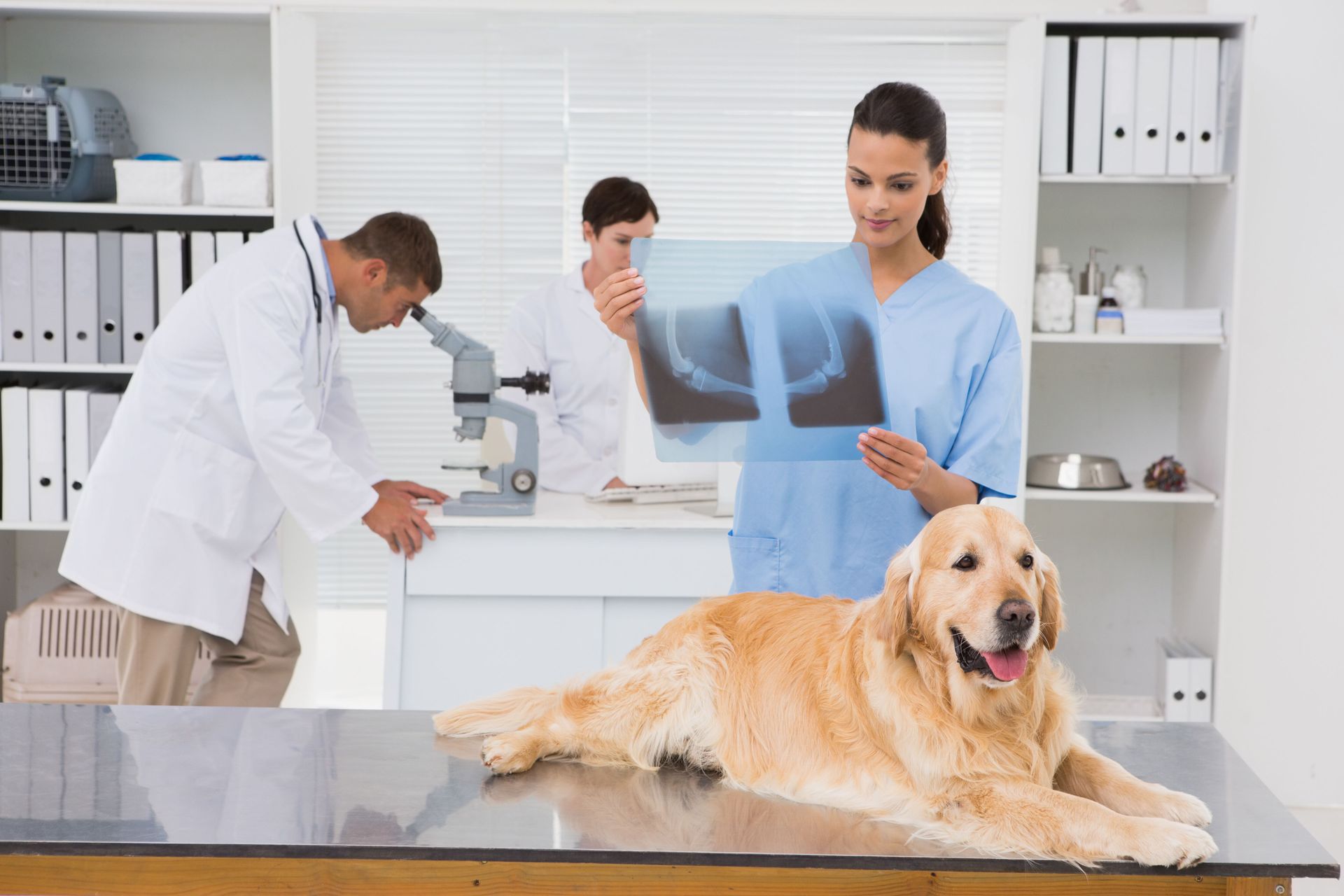
One of the most significant trends in vet construction is designing spaces that streamline workflow. Efficient layouts not only improve staff productivity but also enhance patient care. Modern facilities often feature separate zones for surgery, diagnostics, and treatment, minimizing cross-traffic and reducing stress for both pets and staff.
Open floor plans with strategically placed exam rooms, treatment areas, and labs allow veterinary professionals to move seamlessly between tasks. Construction projects now often include flexible spaces that can adapt to changing clinical needs, reflecting a shift toward dynamic, multi-use facility design.
Emphasis on Client and Patient Experience
Veterinary construction is increasingly focused on creating environments that prioritize the experience of both pet owners and animals. Waiting areas are designed with comfort in mind, featuring separate spaces for dogs, cats, and other animals to reduce anxiety. Natural lighting, calming colors, and noise-reducing materials contribute to a stress-free atmosphere, improving client satisfaction and fostering loyalty.
Beyond aesthetics, functional design elements play a crucial role in patient care. For instance, separate entrances for surgery and treatment areas help prevent contamination, while strategically placed exam rooms allow for private consultations without disrupting other operations.
Integration of Advanced Technology
Technological integration is a defining aspect of modern construction. State-of-the-art diagnostic equipment, digital imaging systems, and electronic medical records require careful planning during construction to ensure proper installation, connectivity, and future scalability.
Design-build firms specializing in vet construction consider technology infrastructure early in the planning phase, ensuring that cabling, power supply, and ventilation systems accommodate high-tech equipment. Smart building solutions, such as automated lighting, climate control, and security systems, further enhance operational efficiency while creating a safer environment for staff and patients.
Focus on Sustainability and Green Building
Sustainability has become a core principle in veterinary construction projects. Green building practices not only reduce environmental impact but also create healthier, more energy-efficient facilities. Features such as LED lighting, energy-efficient HVAC systems, low-flow plumbing, and recycled materials are increasingly common in new builds and renovations.
Sustainable design can extend to site planning as well, with outdoor spaces for pets using permeable surfaces, native landscaping, and natural shade to reduce heat and runoff. By embracing environmentally responsible construction, veterinary facilities demonstrate a commitment to the broader community while benefiting from long-term operational cost savings.
Modular and Prefabricated Construction
Another notable trend is the use of modular and prefabricated construction techniques. Prefabricated components allow for faster project completion, reducing disruption to ongoing operations and lowering overall costs. Modular construction also enables scalability, allowing veterinary practices to expand as demand grows.
This approach is particularly valuable for new veterinary clinics, specialty centers, and dental or medical office renovations. By combining off-site fabrication with on-site assembly, construction teams can maintain high-quality standards while accelerating project timelines, ensuring facilities are ready for operation with minimal delay.
Multi-Functional Spaces for Veterinary Services
Modern veterinary construction emphasizes the need for multi-functional spaces that can adapt to evolving service offerings. Clinics are incorporating areas for telemedicine, rehabilitation, grooming, and training, alongside traditional treatment rooms. This versatility allows veterinary practices to diversify services and optimize space utilization.
For dental and healthcare office builders, integrating specialized areas for pet dental procedures and preventative care is essential. Design-build approaches help ensure that these spaces are equipped for future growth, with flexible layouts and infrastructure that can accommodate new technologies or service expansions.
Pre-Construction Planning for Optimal Results
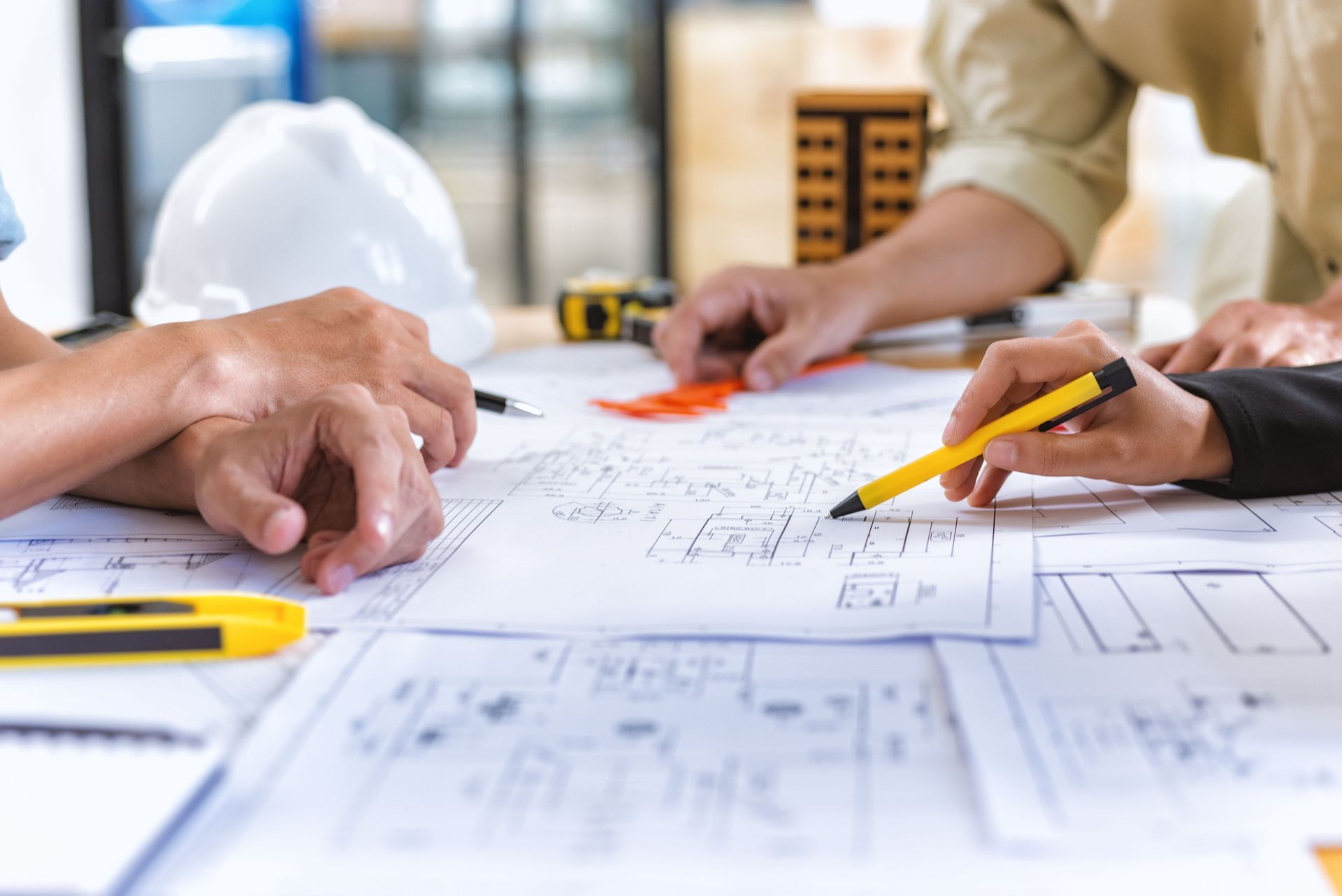
Pre-construction planning is critical in vet construction projects. Experienced general contracting firms guide clients through feasibility studies, site selection, budgeting, and scheduling to ensure smooth project execution. This stage allows for careful consideration of regulatory requirements, workflow optimization, and future-proofing needs, reducing the risk of costly revisions later.
A well-executed pre-construction phase aligns stakeholders, identifies potential challenges, and sets clear expectations for the project. This comprehensive planning ensures that veterinary facilities are built to meet both clinical and operational needs while staying on time and within budget.
Enhancing Staff Efficiency and Safety
Veterinary construction is increasingly focused on staff-centric design. Ergonomic layouts, easy access to medical equipment, and clear visibility across work areas help reduce fatigue and increase efficiency. Incorporating features like hands-free sinks, strategically placed storage, and organized supply zones allows staff to operate smoothly while maintaining high standards of care.
Safety is also a priority, with facilities designed to minimize infection risk, prevent accidents, and accommodate emergencies. From slip-resistant flooring to secure animal handling areas, these considerations are integral to modern construction, reflecting a comprehensive approach to operational excellence.
Embracing Aesthetic Branding
Veterinary construction projects are now extending beyond functional design to include aesthetic branding. The look and feel of a facility communicates professionalism, trust, and care, creating a strong first impression for clients. Exterior facades, interior finishes, signage, and color schemes are carefully selected to align with the practice’s brand identity.
Incorporating branding elements into construction and remodeling projects helps veterinary practices differentiate themselves in competitive markets. Design-build firms work closely with clients to integrate these visual cues seamlessly while maintaining practical, clinical functionality.
Future-Proofing Veterinary Facilities
With the rapid evolution of veterinary medicine, future-proofing is a key trend in construction. Facilities are designed with flexibility to accommodate new technologies, expanded service lines, and workforce growth. Considerations include reinforced flooring for heavy equipment, adaptable electrical and data systems, and scalable HVAC solutions.
Construction firms also plan for potential regulatory changes, ensuring that clinics can maintain compliance without major renovations. By prioritizing adaptability during the construction and design phase, veterinary practices can avoid costly updates and remain competitive in a dynamic industry.
Collaboration With Specialized Construction Teams
Delivering a modern veterinary facility requires collaboration with specialized construction teams. Medical office builders, dentist office builders, and general contractors with experience in healthcare projects bring invaluable expertise. These professionals understand the nuances of veterinary workflows, regulatory compliance, and specialized building requirements, ensuring that construction projects meet both operational and clinical standards.
Design-build and construction management approaches offer an integrated solution, combining architecture, engineering, and construction under one coordinated plan. This method reduces errors, improves communication, and accelerates project timelines, resulting in facilities that meet the exact needs of veterinary practices.
Remodeling and Renovation Trends
Existing veterinary facilities are also undergoing significant remodeling to meet modern standards. Renovation projects often focus on improving patient flow, upgrading technology, enhancing staff areas, and creating a more welcoming environment for clients.
Vet construction teams employ strategic planning to minimize downtime during renovations, allowing practices to continue serving clients while updates are made. This trend is especially important for established clinics looking to modernize without relocating, combining functional upgrades with aesthetic enhancements.
Veterinary construction is a dynamic field, responding to the evolving needs of animal care facilities, staff, and clients. From workflow optimization and technological integration to sustainable building practices and future-proof design, modern trends are reshaping how veterinary clinics are built and operated.
For practices seeking to expand, renovate, or build new facilities, partnering with experienced medical office builders and general contractors ensures a project that aligns with operational goals, enhances patient and client experience, and supports the growing demand for veterinary services.
Ready to build or renovate your veterinary facility? Partner with Ruiz Construction Incorporated for expert design, construction management, and turnkey solutions that bring your vision to life. Contact us today to get started.

Share On: