Medical Construction Growth Reflects Rising Demand for Healthcare Facilities
Healthcare facilities play a critical role in supporting the health and well-being of growing communities. As populations increase, medical technology advances, and patient expectations evolve, healthcare providers require buildings that can accommodate modern equipment, efficient workflows, and expanding services. Older hospitals and clinics often struggle to meet today's operational demands, creating the need for updated facilities designed with flexibility and long-term performance in mind. As a result, medical construction has become an essential part of strengthening healthcare systems while preparing communities for future challenges. From sustainable building practices to patient-centered design, today's healthcare projects focus on creating environments that improve outcomes for both patients and healthcare professionals.
The Growing Need for Modern Healthcare Facilities
Healthcare demand continues to rise because of population growth, longer life expectancy, and an increasing number of individuals managing chronic illnesses. Communities require hospitals, specialty clinics, outpatient centers, rehabilitation facilities, and urgent care locations that can provide timely access to quality care. Existing facilities often operate near capacity, making expansion and modernization necessary to maintain efficient operations.
According to the Healthcare Financial Management Association, hospital and clinic construction starts are expected to increase significantly as healthcare organizations invest billions of dollars into improving facilities. These investments help providers expand services while creating environments that support evolving models of patient care. Continued investment in medical construction allows healthcare organizations to address both current needs and future growth.
Replacing Aging Healthcare Infrastructure
Many hospitals and medical offices were built decades ago and no longer support modern healthcare technology or patient expectations. Aging buildings often require extensive maintenance, consume more energy, and have layouts that reduce efficiency for both patients and healthcare professionals. Older infrastructure can also limit the installation of advanced imaging equipment, robotic surgical systems, and digital healthcare technologies.
Rather than continually repairing outdated facilities, many healthcare organizations choose to renovate existing buildings or construct entirely new campuses. Updated infrastructure improves workflow, increases patient capacity, and creates safer environments that comply with current building codes and healthcare regulations. Modern facilities also provide greater flexibility for future technological upgrades without requiring major structural changes.
Technology Is Changing Healthcare Design
Technology continues to influence nearly every aspect of healthcare facility design. Digital patient records, telemedicine platforms, artificial intelligence, and connected medical devices require buildings with reliable communication infrastructure and secure data systems. These technologies improve patient care while increasing operational efficiency throughout healthcare organizations.
Healthcare facilities now incorporate dedicated spaces for remote consultations, advanced imaging systems, robotic procedures, and centralized monitoring centers. Designers must carefully coordinate electrical systems, communication networks, and equipment rooms to support these technologies from the beginning of each project. Planning for future technological advancements also helps facilities remain functional for decades.
Patient-Centered Design Improves Experiences
Modern healthcare design extends beyond clinical functionality by creating welcoming environments that support physical and emotional well-being. Patients increasingly value privacy, natural lighting, intuitive layouts, comfortable waiting areas, and quieter treatment spaces. Research continues to demonstrate that thoughtfully designed environments can reduce stress while contributing to better patient experiences.
Healthcare facilities often incorporate larger patient rooms, family gathering areas, healing gardens, improved wayfinding systems, and enhanced accessibility features. These design elements benefit visitors, caregivers, and healthcare professionals while supporting more personalized patient care. Every aspect of the building contributes to creating a positive healthcare experience.
Sustainability Benefits Healthcare Facilities
Environmental responsibility has become an important consideration for healthcare construction projects. Hospitals operate continuously throughout the year, making energy efficiency an essential component of long-term operational planning. Sustainable building practices help reduce utility costs while improving indoor environmental quality for patients and employees.
Modern facilities frequently include energy-efficient HVAC systems, LED lighting, water conservation technologies, renewable energy sources, and environmentally responsible building materials. Improved ventilation systems also contribute to healthier indoor environments while supporting infection prevention efforts. Sustainable design allows healthcare organizations to lower operating expenses while reducing environmental impact.
Many healthcare providers pursue recognized green building certifications to demonstrate their commitment to environmental stewardship. These certifications often encourage long-term maintenance strategies that improve overall building performance throughout its lifespan.
Preparing for Public Health Emergencies
The COVID-19 pandemic emphasized the importance of flexible healthcare infrastructure capable of adapting quickly during emergencies. Healthcare facilities require spaces that can be converted to intensive care units, isolation rooms, or expanded treatment areas when patient demand unexpectedly increases. Adaptable floor plans improve emergency preparedness while maintaining efficient operations during normal conditions.
New facilities often include enhanced ventilation systems, emergency utility connections, expandable treatment areas, and flexible room configurations. These features allow healthcare organizations to respond more effectively during disease outbreaks, natural disasters, and other public health emergencies. Planning for resilience has become a standard component of modern medical construction.
Serving Growing Communities
Population growth creates additional demand for hospitals, physician offices, outpatient surgery centers, and specialty clinics. Expanding communities require healthcare services that are conveniently located and capable of serving larger patient populations without lengthy wait times or overcrowded facilities.
Healthcare organizations carefully evaluate demographic trends before selecting new construction sites. Factors such as projected population growth, transportation access, local health statistics, and community development plans all influence facility placement. Strategic planning ensures healthcare services remain accessible while supporting long-term regional growth.
Expanding healthcare infrastructure also creates employment opportunities for medical professionals, administrative staff, maintenance personnel, and support services. These projects contribute to local economic development while improving access to quality healthcare.
Collaboration Leads to Better Projects
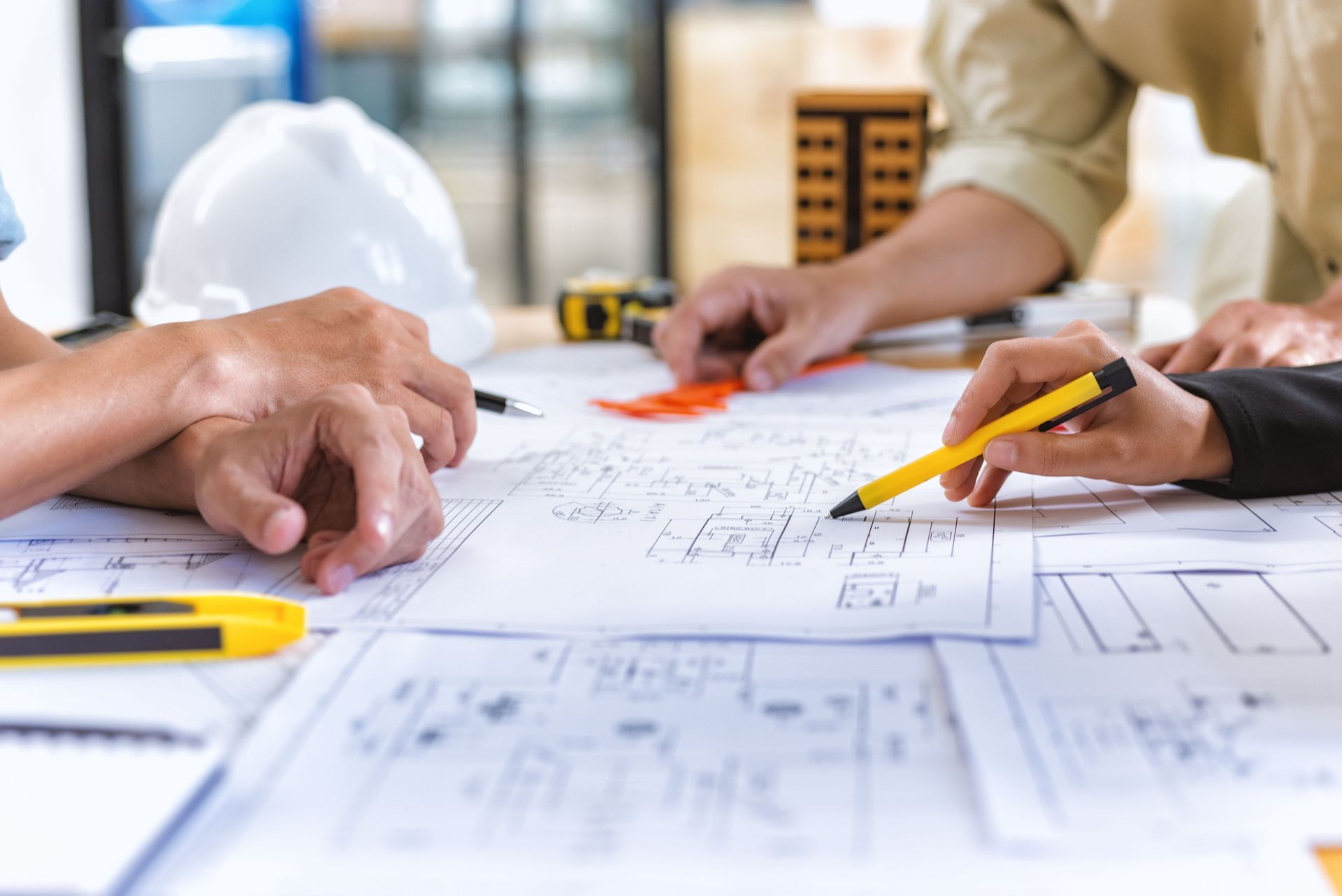
Successful healthcare projects depend on collaboration between architects, engineers, contractors, healthcare administrators, physicians, nurses, and technology specialists. Every participant contributes valuable knowledge that influences building performance and patient care. Early collaboration helps identify challenges before construction begins, reducing delays and unexpected costs.
Construction teams also coordinate closely with medical equipment manufacturers to ensure spaces accommodate specialized equipment and future upgrades. This integrated planning process results in facilities that function efficiently from the day they open while remaining adaptable as healthcare needs continue to evolve.
The Rise of Modular Construction
Modular construction has become increasingly popular within the healthcare industry because it shortens construction schedules while maintaining high-quality standards. Building components are manufactured in controlled environments before being transported to the project site for assembly. This process minimizes weather delays, improves quality control, and reduces construction waste.
Healthcare organizations benefit from faster project completion because new patient care areas become operational sooner. Modular techniques also provide greater flexibility when expanding facilities or responding to changing healthcare demands. These advantages continue to increase interest in modular solutions throughout the healthcare industry.
Looking Ahead
The future of healthcare infrastructure will continue to focus on adaptability, technology, sustainability, and patient comfort. As medical treatments evolve, healthcare facilities must remain flexible enough to accommodate new equipment, changing care models, and future innovations. Continued investment in medical construction will help healthcare providers meet growing demand while improving operational efficiency and patient outcomes.
Healthcare organizations that prioritize thoughtful planning today position themselves for long-term success. Modern facilities support caregivers, improve patient experiences, reduce operating costs, and strengthen entire communities through reliable access to quality healthcare services. As technology, demographics, and healthcare delivery continue to evolve, medical construction will remain one of the most important investments shaping the future of modern medicine. Contact our team at Ruiz Construction Incorporated today and learn more about our medical construction services.


Share On: