Why Specialized Expertise Matters in Medical Construction Projects
Medical construction projects are highly intricate endeavors that necessitate an extraordinary depth of specialized knowledge and technical skill. Unlike standard commercial or residential developments, the creation of healthcare facilities involves navigating an environment where structural decisions directly influence operational safety, clinical outcomes, and human lives. From the strict integration of life-support systems to the enforcement of rigorous sanitation protocols, the baseline challenges are entirely distinct, making specialized expertise a non-negotiable component for long-term project success.
This comprehensive article explores why specialized expertise is indispensable in the healthcare sector and details how advanced engineering practices impact every facet of construction projects.
Importance of Regulations and Compliance in Medical Construction
Every medical construction project must adhere to exceptionally stringent health sector regulations to ensure the safety, operational efficacy, and structural integrity of the facility. These frameworks include complex state-building codes, municipal health ordinances, and federal mandates that strictly govern inpatient and outpatient environments. Compliance ensures that the layout protects fragile immune systems and facilitates rapid clinical responses.
It is crucial that stakeholders possess an in-depth understanding of these regulations to avoid catastrophic legal liabilities, project shutdowns, and severe financial penalties. Specialized expertise in interpreting and implementing these codes helps guarantee the safe, uncompromised operation of newly constructed clinical spaces.
Compliance with specialized safety standards is paramount in healthcare environments. This entails implementing advanced passive fire barriers, ensuring absolute structural stability beneath heavy machinery, and engineering pressurized emergency exits. Specialized construction teams must seamlessly incorporate these protective elements into the early architectural designs and field plans to meet safety standards effectively.
Navigating municipal building codes and obtaining construction permits is a complex task that requires dedicated professional management. Building codes dictate the explicit standards for the design, material selection, and structural maintenance of healthcare facilities to safeguard public health.
Construction teams working on modern medical facilities must ensure that the floor plans promote acoustic privacy and visual security. Specialized experts are essential for integrating advanced data security solutions, such as secure server rooms and soundproofed patient consultation areas, into the design. By prioritizing acoustic insulation and layout privacy, healthcare networks maintain legal compliance and build lasting trust with their communities.
The regulatory landscapes in the healthcare sector are continuously evolving, requiring medical construction projects to adapt fluidly to new operational metrics. This dynamic environment demands specialized contractors who stay continuously informed about the latest filtration mandates and structural updates. Construction teams need to understand the long-term implications of regulatory shifts and integrate them into project plans.
Design Considerations Specific to Medical Facilities
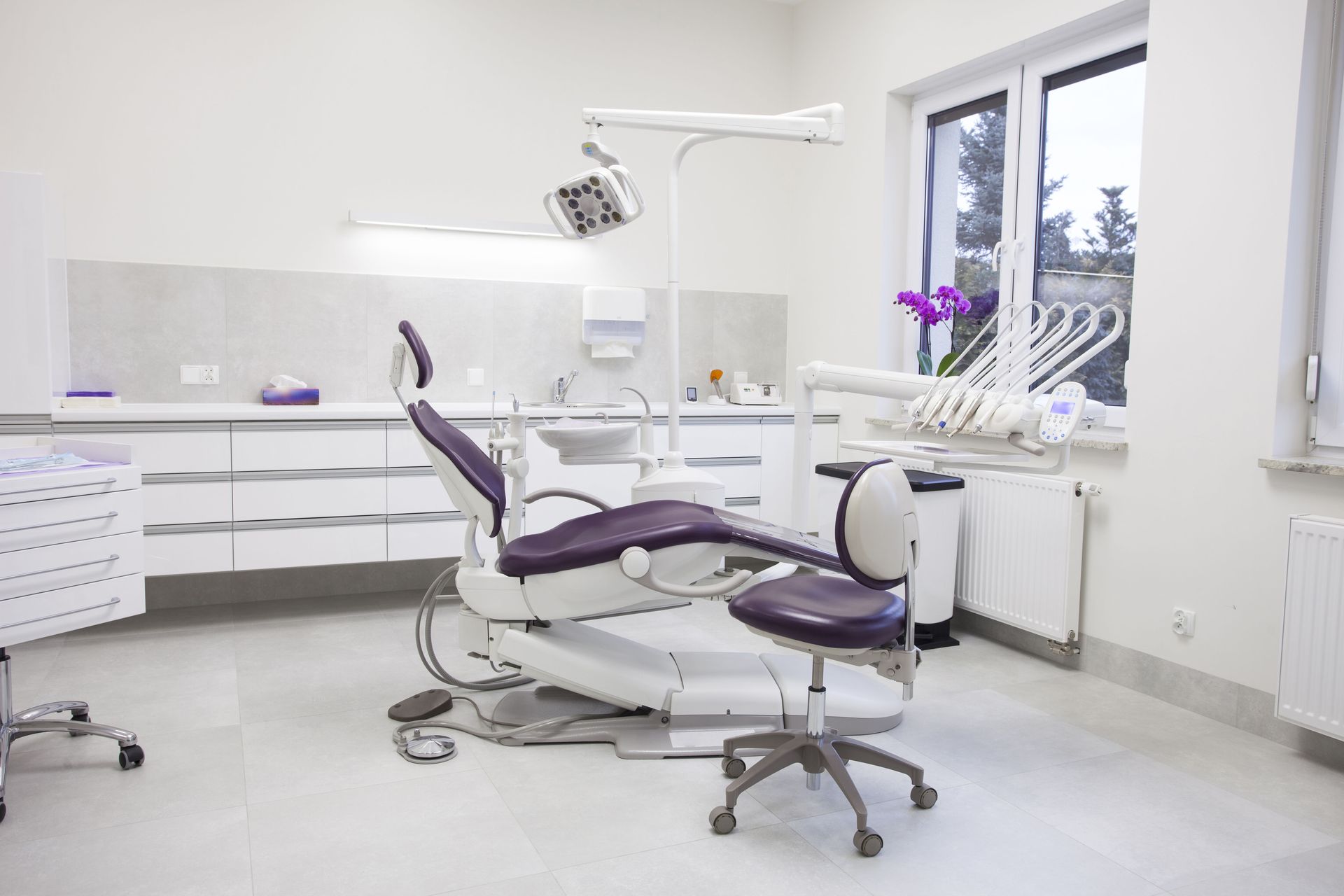
Designing highly functional layouts is crucial for optimizing patient care and accelerating clinical response times in high-stress medical environments. Efficient workflows and universal accessibility must be prioritized in the physical floor plan to enhance the patient experience and streamline daily healthcare operations.
Professionals with specialized expertise focus on designing spatial paths that facilitate smooth, unhindered navigation for patients, clinical staff, and heavy mobile equipment. Critical design considerations include:
- Proximity of emergency departments to surgical suites and diagnostic imaging centers.
- Strategic placement of nurse stations to maintain clear sightlines to patient rooms.
- Clear segregation of public clean corridors from service-oriented soiled utility paths.
By emphasizing mathematical functionality in spatial layout design, healthcare facilities dramatically improve patient recovery rates and maximize baseline operational efficiency.
Infection control is an absolute cornerstone of professional medical construction design, engineered explicitly to prevent the spread of healthcare-associated infections (HAIs). Specialized expertise is required to implement advanced design solutions that support continuous hygiene, deep cleaning, and strict sterilization practices. This includes installing entirely non-porous materials resistant to microbial growth, detailing seamless surfaces that are easy to chemically sanitize, and incorporating multi-stage air filtration networks.
Construction teams must consider modular headwalls, flexible framing layouts, and easily accessible utility interstitial spaces in their mechanical designs. By prioritizing scalability, healthcare groups can easily update software or swap out medical equipment with minimal disruption, reducing the future need for invasive structural overhauls.
The Role of Specialized Construction Techniques
Containment strategies are absolutely vital during medical construction to prevent the airborne spread of infectious agents, dust, and pathogens. Specialized construction techniques, such as installing airtight cleanrooms and negative-pressure isolation environments, help maintain a perfectly sterile field.
These engineering features are essential for protecting immunocompromised patients and healthcare staff from cross-contamination and dangerous pathogen exposure. Experts in environmental containment ensure that these specific rooms are constructed to meet rigorous pressure-testing standards and operate flawlessly under continuous use. The ability to isolate and manage airborne contaminants within clinical settings is a core pillar of modern public health infrastructure.
Precision in HVAC systems is critical for maintaining absolute air quality, humidity control, and temperature stability in healthcare facilities. Specialized expertise is required to design and install heavy-duty HVAC networks that ensure clean, safe, and continuously scrubbed indoor air.
These specialized systems must utilize High-Efficiency Particulate Air (HEPA) filtration and be configured for precise positive or negative pressure balances depending on the clinical zone. Specialized construction teams work diligently to implement HVAC solutions that eliminate stagnant air pockets, prevent cross-zone contamination, and maximize patient comfort.
In the specialized field of medical construction, the selection of interior finishing materials is a critical safety choice. Specialized expertise is required to source and install medical-grade materials that can withstand continuous exposure to harsh, industrial-strength chemical disinfectants without degrading.
These components, such as monolithic sheet vinyl flooring with welded seams and antimicrobial copper hardware, contribute directly to infection control and long-term facility longevity. Construction crews work closely with material scientists to ensure every surface meets strict flame-spread, smoke-developed, and chemical-resistance ratings.
Soundproofing and advanced acoustic control are critical, data-driven design elements utilized to foster an environment conducive to biological healing. Specialized construction techniques are required to manage ambient noise transmission, ensuring a peaceful, stress-reducing atmosphere for recovering patients and focused medical staff.
Efficient, redundant utility management systems are vital for reducing daily operational overhead and conserving valuable environmental resources in modern healthcare centers. Specialized electrical and mechanical engineering expertise is required to design infrastructure loops that optimize power and water usage without compromising life-safety systems. This includes installing low-energy LED lighting grids, automated smart water-conservation controls, and advanced digital monitoring networks that track utility anomalies in real time.
According to IBISWorld, there are 4 million construction businesses in the United States. However, only a highly specialized faction of these enterprises possesses the technical capability required to master the advanced utility management, medical gas lines, and isolated power systems central to construction projects, making niche expertise a vital differentiator for achieving long-term operational savings.
The execution of a medical construction project requires a deliberate departure from generalized building practices, demanding instead a strict adherence to highly specialized technical expertise. Every structural layer—from regulatory code compliance and infection-controlled layout geometries to precision-tuned HVAC airflow networks and advanced medical equipment integration—requires specialized knowledge to ensure operational safety and architectural longevity.
Partnering with a seasoned, highly credentialed firm protects your organization from devastating code violations, costly design oversights, and scheduling delays. Ultimately, investing in dedicated medical building expertise is the ultimate safeguard for your capital, your clinical staff, and the well-being of the patients you serve.
Don't risk the safety, compliance, and structural integrity of your healthcare facility with generalized commercial labor. For industry-leading technical precision, flawless code compliance, and expert project management you can completely depend on, contact Ruiz Construction Incorporated today to schedule your comprehensive on-site project consultation and discover how our specialized team can bring your clinical vision to life.


Share On: