Why Healthcare Construction Remains Essential in Modern Communities
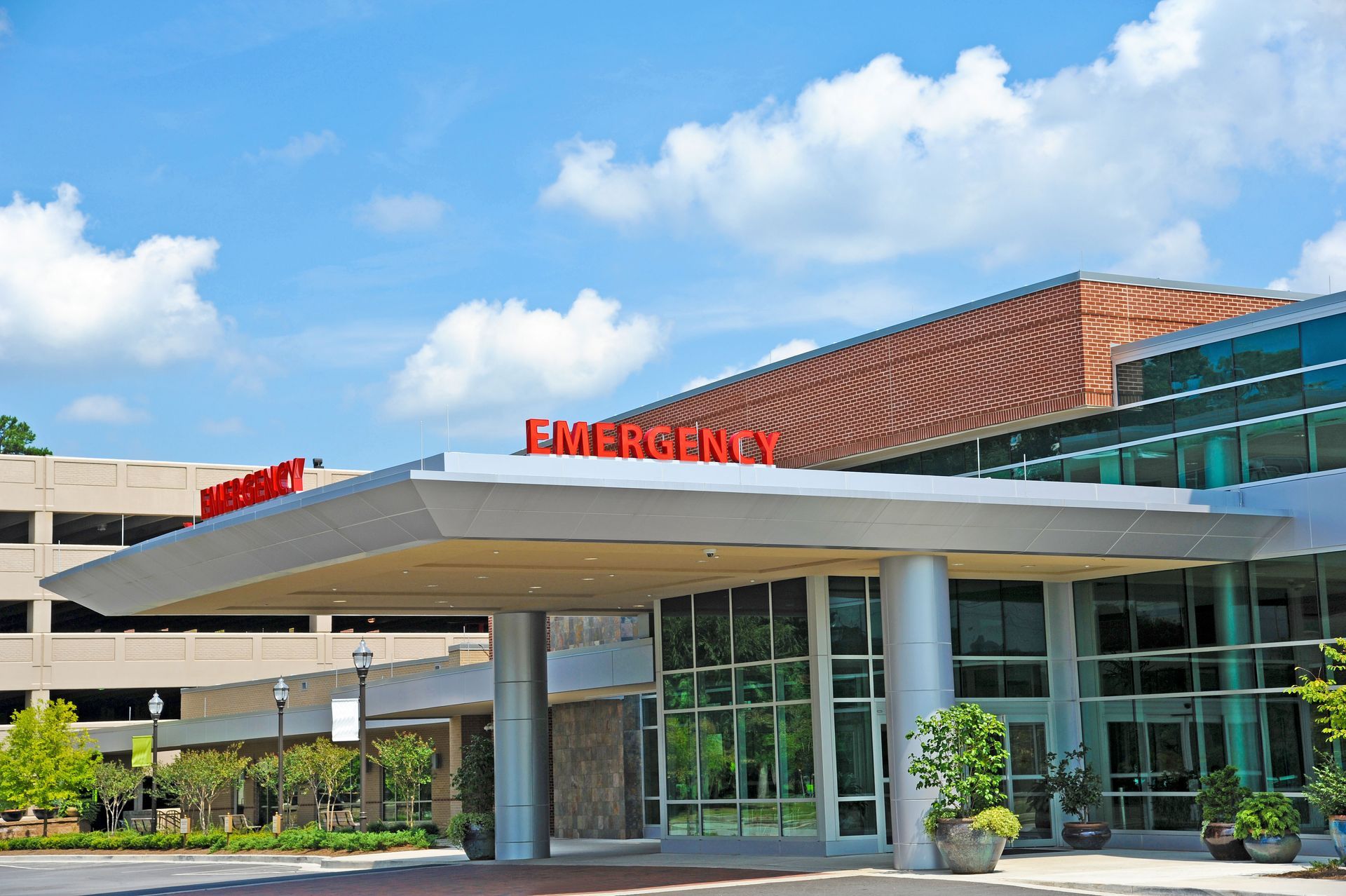
Healthcare facilities play a critical role in supporting the well-being of individuals and families. From routine medical appointments to specialized treatments and emergency care, these spaces help communities maintain access to the services they need throughout every stage of life. As populations grow, age, and change, the demand for functional healthcare environments continues to increase, making thoughtful facility development a priority.
The importance of healthcare construction extends far beyond creating buildings. It involves designing and building spaces that promote safety, efficiency, comfort, and accessibility for patients, healthcare providers, and support staff. By investing in well-planned medical facilities, communities can strengthen local healthcare systems and improve the quality of care available to residents.
Supporting Access to Essential Medical Services
Meeting the Needs of Growing Populations
Population growth places increased demands on healthcare providers and existing facilities. Communities that experience residential development often require additional medical offices, clinics, specialty practices, and treatment centers to serve expanding populations. Without adequate facilities, patients may face longer wait times, greater travel distances, and limited access to care.
Healthcare construction helps communities respond to these changes by creating spaces that accommodate increased patient volumes. New facilities and expansions allow healthcare organizations to maintain efficient operations while continuing to provide timely services. As communities evolve, construction projects help ensure that healthcare infrastructure keeps pace with local needs.
Expanding Care Opportunities in Underserved Areas
Many communities face challenges related to healthcare accessibility. Rural regions and developing suburban areas may have limited medical resources, creating barriers for residents seeking preventive care, diagnostics, and treatment services. Strategic construction projects can help address these gaps by bringing healthcare services closer to the people who need them.
New medical facilities can reduce travel burdens and improve access to care for patients who might otherwise delay treatment. By expanding healthcare options into underserved areas, construction projects contribute to healthier populations and stronger local healthcare networks. This approach helps communities build long-term resilience while supporting better health outcomes.
Accommodating Diverse Healthcare Services
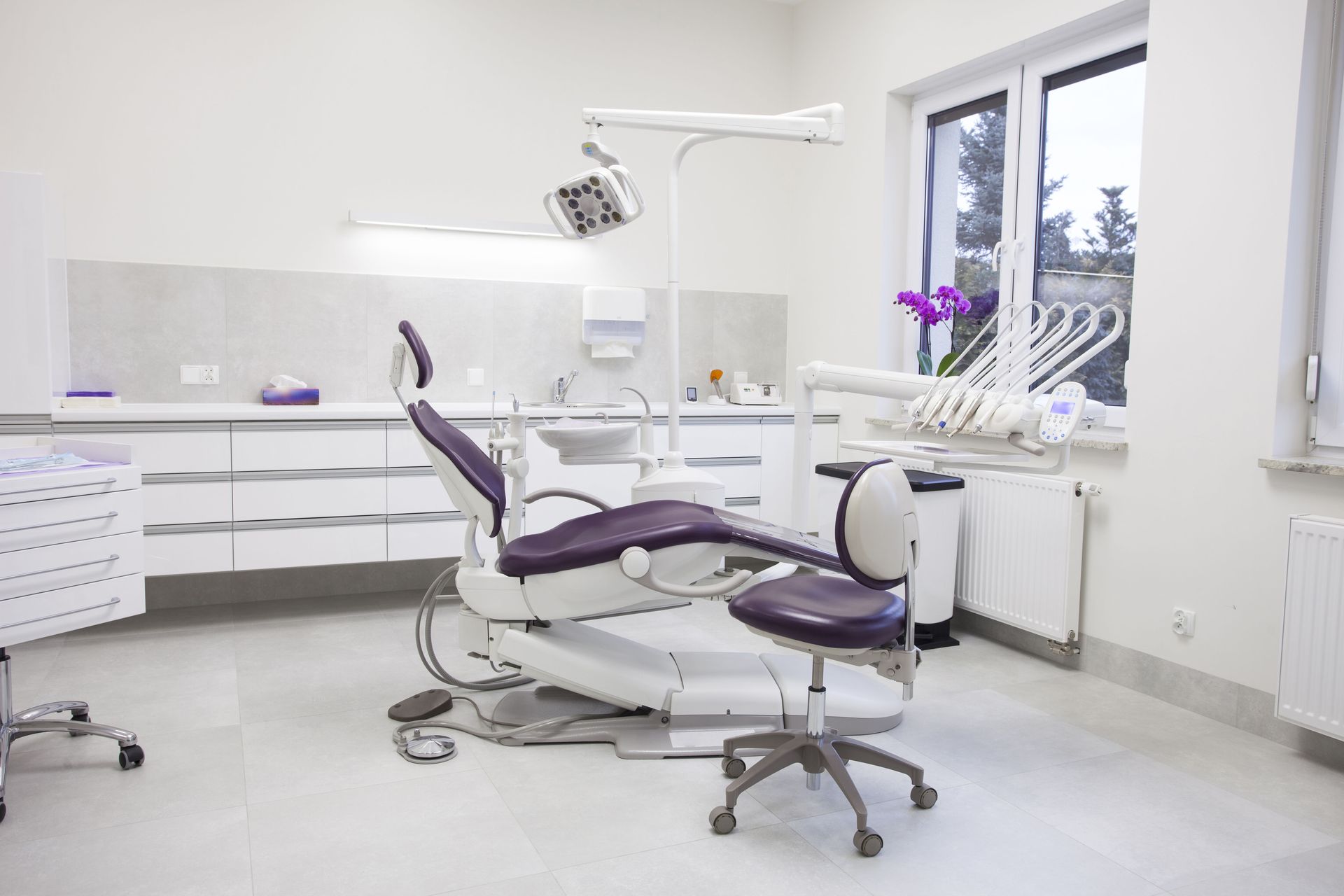
Modern healthcare extends beyond traditional hospitals. Today's communities rely on a broad range of facilities, including outpatient centers, dental offices, rehabilitation clinics, imaging centers, specialty practices, and urgent care locations. Each type of facility serves a unique role in delivering comprehensive healthcare services.
Reputable healthcare construction supports this diversity by creating purpose-built environments tailored to specific medical functions. Careful planning ensures that each facility can effectively support its intended services while maintaining patient comfort and operational efficiency. By accommodating a wide range of healthcare needs, these projects help communities offer more complete care options close to home.
Creating Safe and Functional Healthcare Environments
Prioritizing Patient Safety and Comfort
Healthcare facilities must support patient well-being from the moment individuals enter the building. Layouts, materials, traffic flow, and environmental considerations all influence how comfortable and secure patients feel during their visits. Proper design and construction help create spaces that foster confidence and reduce stress.
Well-executed healthcare construction focuses on creating environments that support both physical safety and emotional comfort. Waiting areas, treatment rooms, examination spaces, and support areas must be designed with patients in mind. Thoughtful construction practices help ensure that facilities can meet rigorous healthcare standards while providing welcoming environments for those receiving care.
Improving Workflow for Medical Professionals
Healthcare providers depend on efficient facility layouts to perform their responsibilities effectively. Poorly designed spaces can create operational challenges, increase staff workloads, and reduce overall productivity. Construction planning plays a significant role in helping healthcare organizations establish environments that support smooth daily operations.
Medical facilities benefit from carefully organized floor plans that streamline movement between treatment areas, administrative spaces, storage locations, and patient care zones. Efficient layouts help reduce unnecessary travel within a building and support coordinated care delivery. As a result, healthcare professionals can focus more attention on patient needs and less on logistical challenges.
Supporting Compliance and Industry Standards
Healthcare facilities operate under strict regulations designed to protect patients, staff, and visitors. Construction projects must account for building codes, accessibility requirements, safety standards, and healthcare-specific guidelines throughout the planning and building process. Meeting these requirements is essential for facility functionality and long-term success.
Experienced construction teams understand the importance of integrating compliance considerations from the earliest project stages. Proper planning helps avoid costly delays while ensuring that completed facilities meet applicable standards. Through careful execution, healthcare construction helps organizations establish facilities that support safe, effective, and compliant operations for years to come.
Strengthening Communities Through Long-Term Investment
Supporting Economic Growth and Stability
Healthcare facilities contribute to local economies in multiple ways. Construction projects create employment opportunities while generating demand for skilled trades, suppliers, and professional services. Once completed, healthcare facilities continue supporting economic activity by providing jobs and attracting related businesses to the area.
These long-term economic benefits extend beyond the healthcare sector itself. Medical facilities often serve as anchors within communities, encouraging further development and investment. As a result, healthcare construction can play an important role in promoting economic stability while helping communities meet growing healthcare demands.
Building Infrastructure for Future Healthcare Needs
Community healthcare needs rarely remain static. Demographic changes, population shifts, and evolving service demands require healthcare organizations to plan for future growth. Construction projects provide opportunities to create facilities capable of supporting long-term operational goals and adapting to changing circumstances.
According to the American Hospital Association, the United States is home to roughly 6,100 hospitals, highlighting the extensive infrastructure required to support healthcare nationwide. As communities continue to evolve, ongoing facility development remains necessary to maintain and expand access to care. By investing in well-designed healthcare environments, organizations can better position themselves to meet future demands while continuing to serve local populations effectively.
Enhancing Community Confidence and Quality of Life
Accessible healthcare services contribute significantly to overall quality of life. Residents often view strong healthcare infrastructure as an indicator of a healthy, thriving community. The presence of reliable medical facilities can influence where families choose to live, where businesses decide to invest, and how communities plan for future growth.
Professional healthcare construction helps reinforce this confidence by creating facilities that reflect community needs and priorities. Whether through new medical offices, expanded treatment centers, or specialized care facilities, these projects demonstrate a commitment to supporting public health. Strong healthcare infrastructure benefits individuals while contributing to the broader vitality of the community as a whole.
Communities depend on healthcare facilities to provide accessible, safe, and effective medical services. As populations grow and healthcare services become more diverse, the importance of developing and maintaining high-quality medical environments continues to increase. Well-planned facilities support patients, healthcare professionals, and local organizations alike.
Healthcare construction remains a vital investment because it strengthens healthcare access, improves operational efficiency, and supports long-term community development. Through careful planning, collaboration, and quality construction practices,
Beyond meeting immediate healthcare needs, these projects also help establish a foundation for future community growth and well-being. Medical facilities are often among the most important public-serving spaces within a region, providing resources that residents depend on throughout their lives. By continuing to invest in thoughtfully planned and professionally built healthcare environments, communities can support stronger healthcare systems, improve access to essential services, and create spaces that remain valuable for generations to come.
If you're looking for a reliable partner in constructing high-quality healthcare facilities built for modern communities, reach out to Ruiz Construction Incorporated!


Share On: